Peri-laryngeal Emphysema with Abscess
FEATURED WINNER – Soft tissue Category
Peri-laryngeal Emphysema with Abscess
8-year-old Quarter Horse gelding
University of Wisconsin–Madison
Dr. Brenda Righter
This winning soft tissue case highlighted CT’s ability to evaluate complex airway and peri-laryngeal pathology, providing crucial diagnostic detail that significantly influenced clinical decision-making.
Case Summary
An 8-year-old Quarter Horse gelding (485 kg) was referred for evaluation of a suspected esophageal tear following hospitalization for colic at another facility. During the prior hospitalization, the horse received frequent nasogastric intubation for oral fluid administration and underwent multiple diagnostic procedures, including gastroscopy, upper airway endoscopy, proximal duodenal biopsy, oral glucose absorption testing, and dental floatation. Although colic signs resolved with medical management, the horse subsequently developed pharyngeal swelling with crepitus, dyspnea, fever, and hyporexia, prompting placement of a temporary tracheostomy prior to referral.
Clinical Presentation
On arrival, the gelding was quiet, hypersalivating, and grinding his teeth. Vital parameters were within normal limits. Diffuse subcutaneous emphysema with marked crepitus was present throughout the pharyngeal and proximal cervical regions, more severe on the left. Jugular refill time and cranial lymph nodes could not be assessed due to extensive swelling. Mucoserous secretions were observed at the tracheostomy site, and portions of the cervical skin felt cool on palpation.
Diagnostics & Imaging Findings
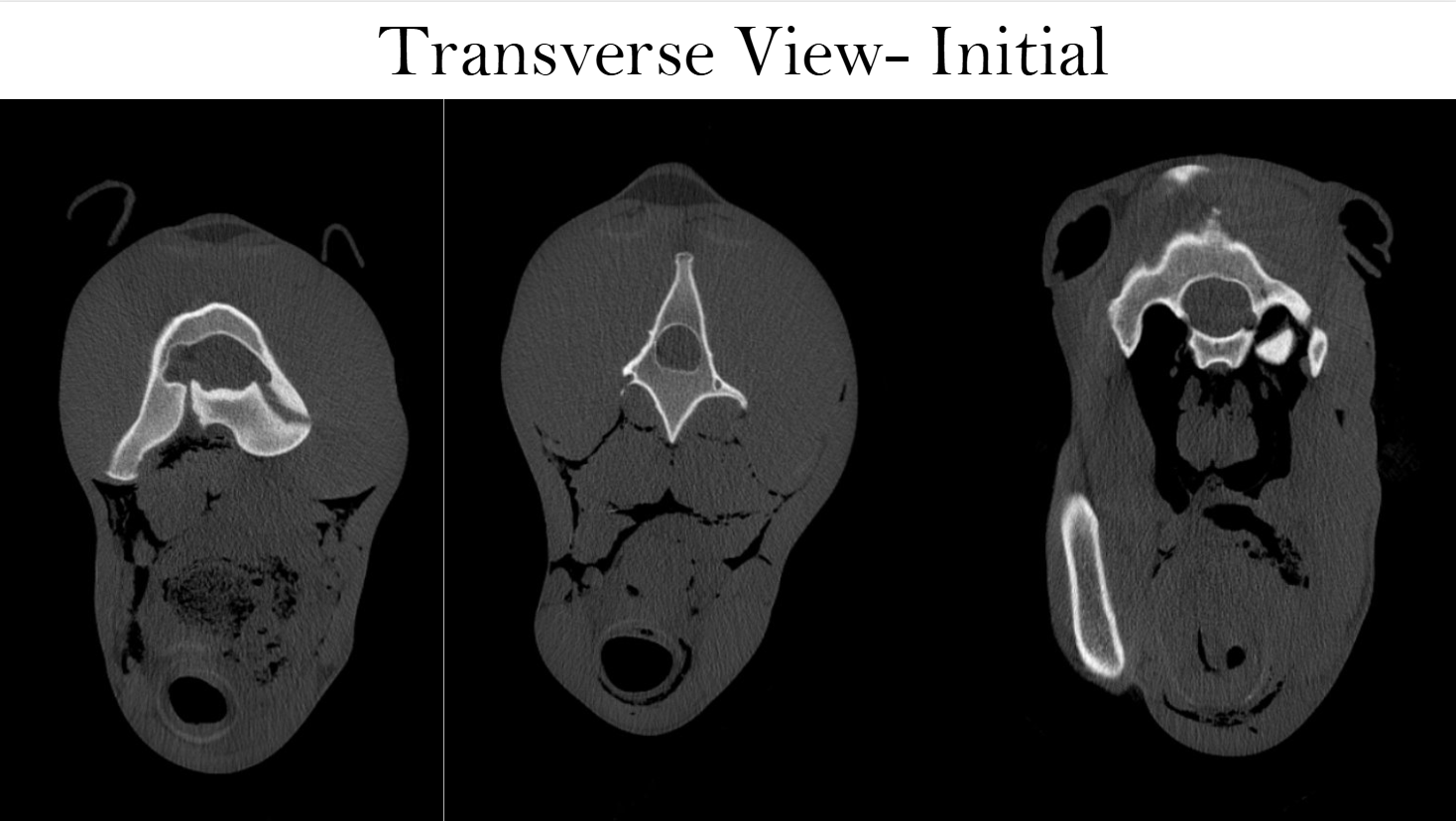
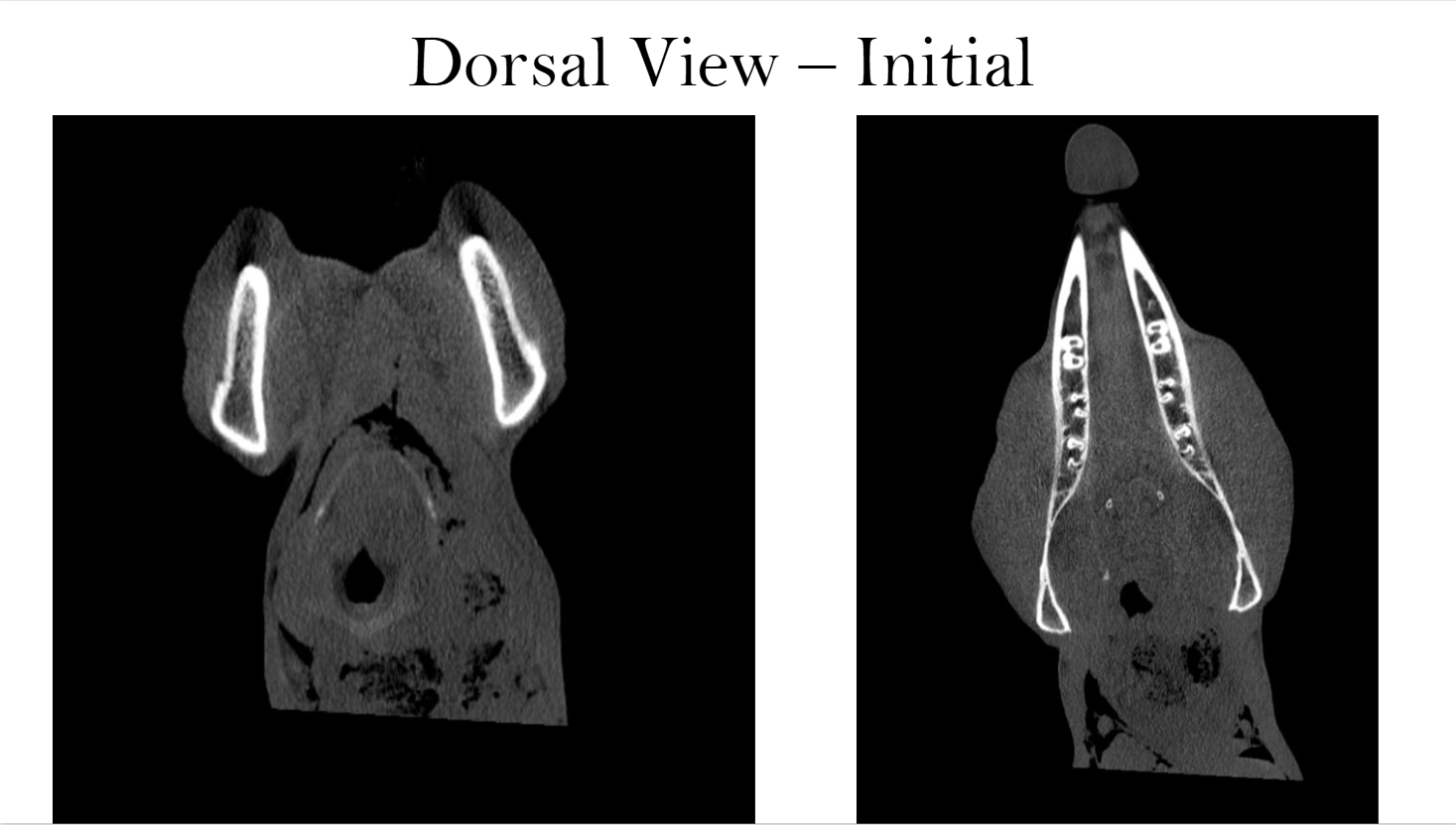
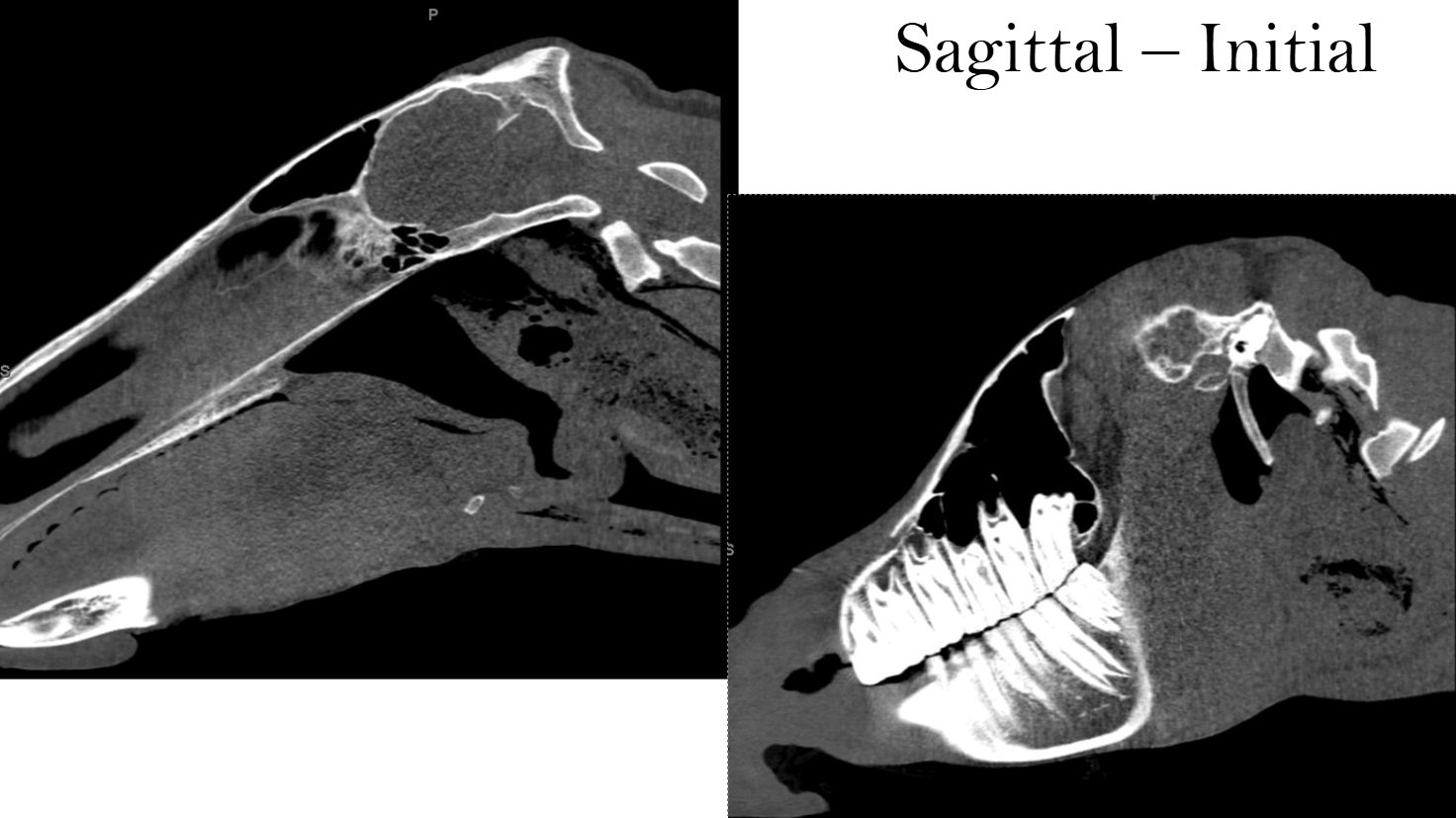
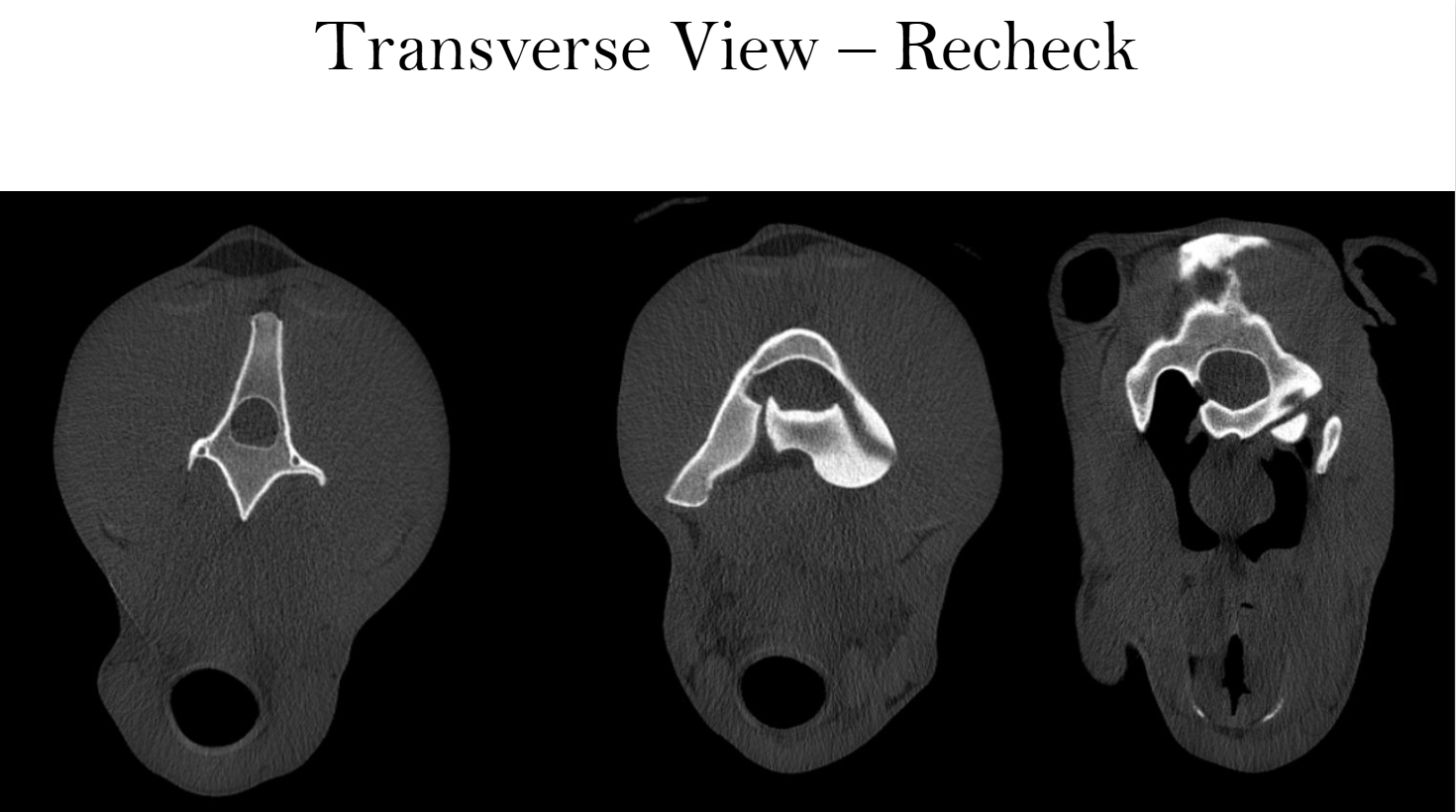
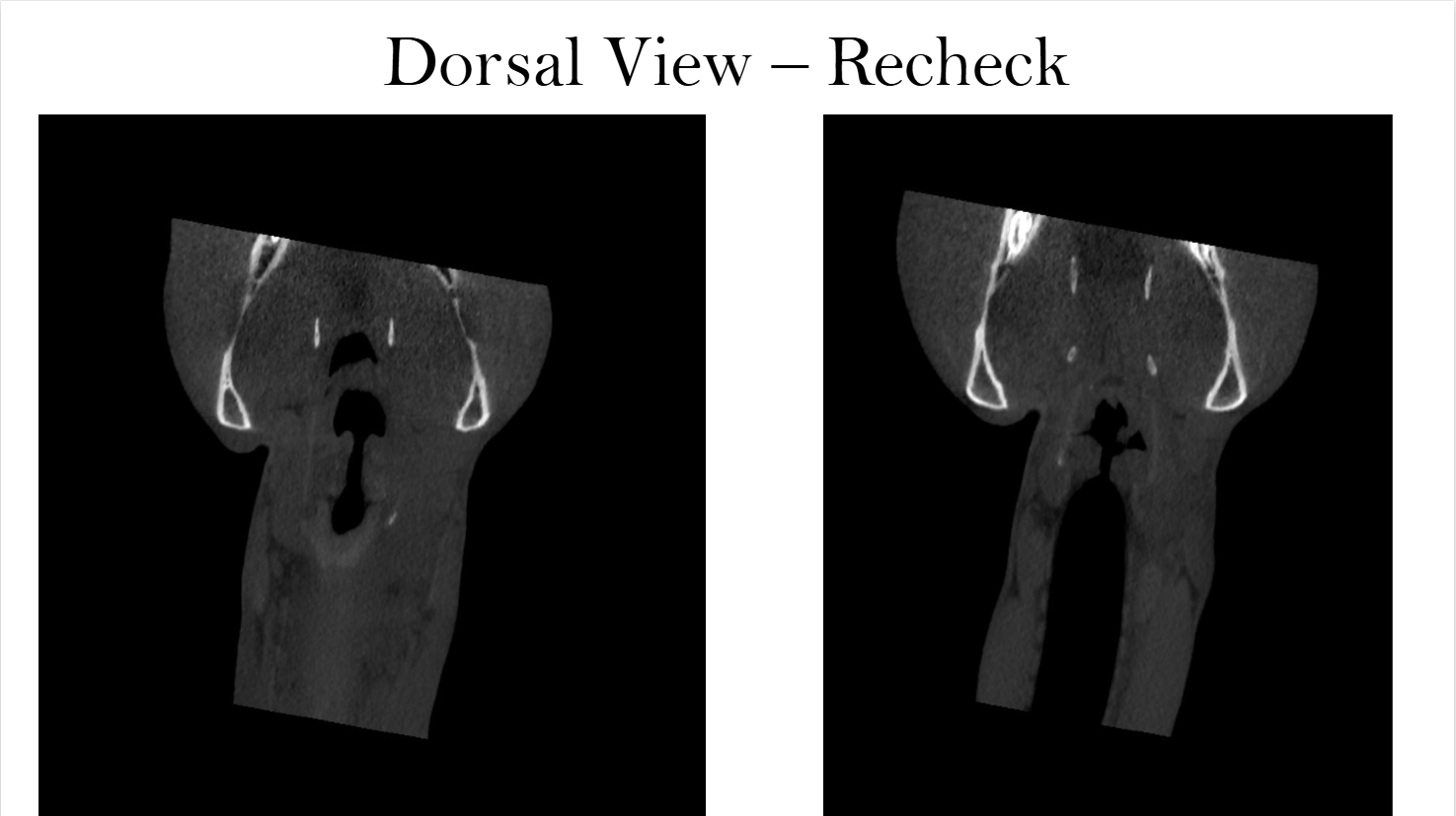
Upper respiratory and esophageal endoscopy revealed severe edema of the pharynx and larynx resulting in complete airway obstruction, with normal guttural pouches and no visualized esophageal or tracheal perforation. Due to concern for ongoing pathology and the possibility of healed mucosal injury, standing CT of the head and neck was performed. CT imaging demonstrated extensive peri-laryngeal and retropharyngeal subcutaneous emphysema with extravasated feed material and/or abscessation and regional cellulitis, consistent with suspected pharyngeal or cranial esophageal trauma or tear. Secondary findings included progressive laryngeal compression and laryngitis, ventral cervical emphysema tracking toward the vertebral canal, tracheitis and tracheal edema likely associated with the tracheostomy tube, over-riding tracheal membranes related to regional inflammation or trauma, and mild right rostral maxillary sinusitis.
Clinical Course & Outcome
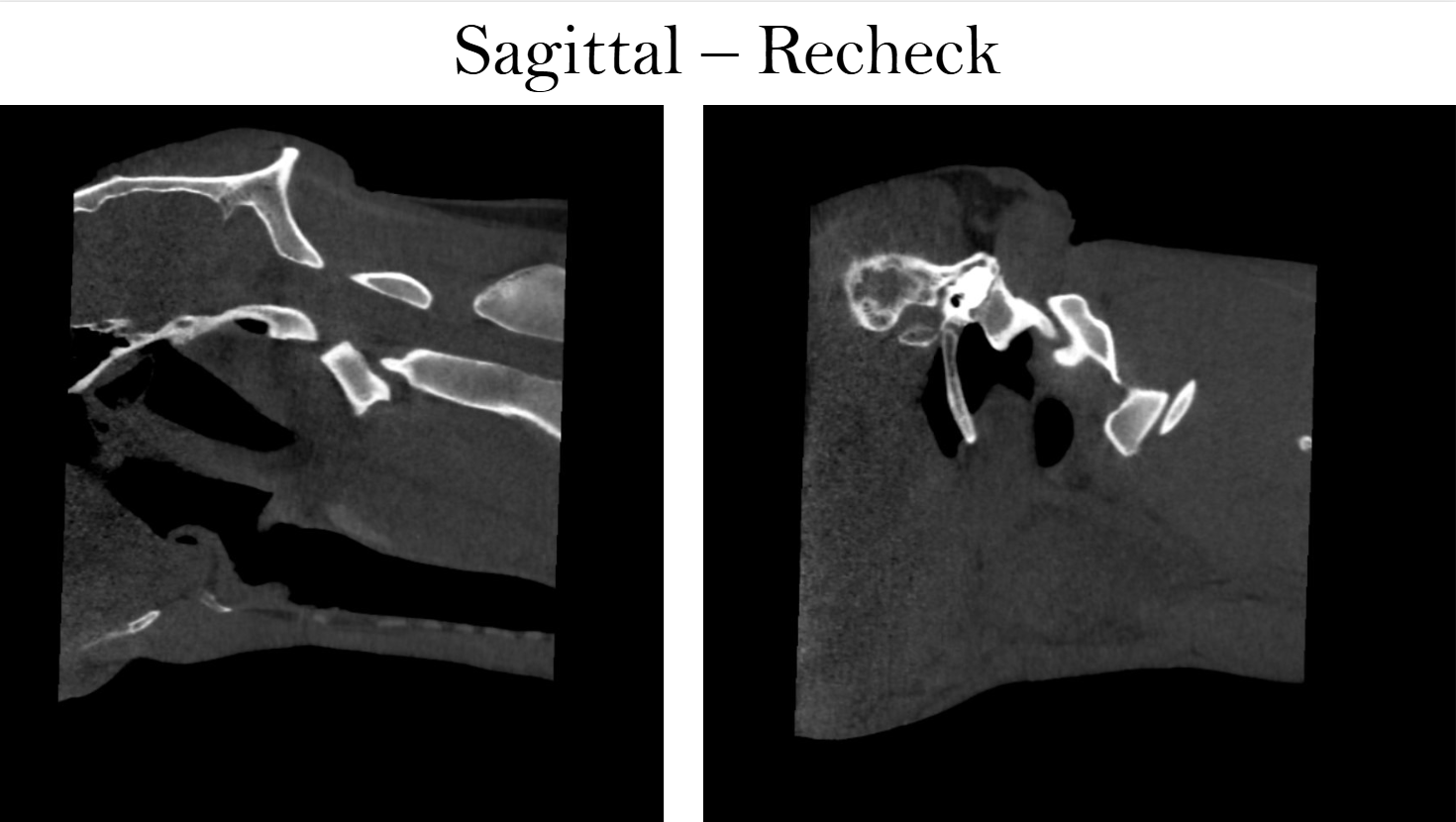
High-dose penicillin therapy and supportive care resulted in marked improvement in subcutaneous emphysema and external swelling. Serial CT and endoscopic evaluations demonstrated progressive resolution of retropharyngeal abscessation, cellulitis, and emphysema, with improvement in arytenoid function and resolution of laryngitis. By late September, only minimal residual emphysema remained. The gelding continued to improve clinically, with normalization of attitude and appetite. Anti-inflammatory and antimicrobial therapies were gradually tapered, and the horse was discharged for continued home care with plans for follow-up upper airway endoscopic evaluation.