
Expertise
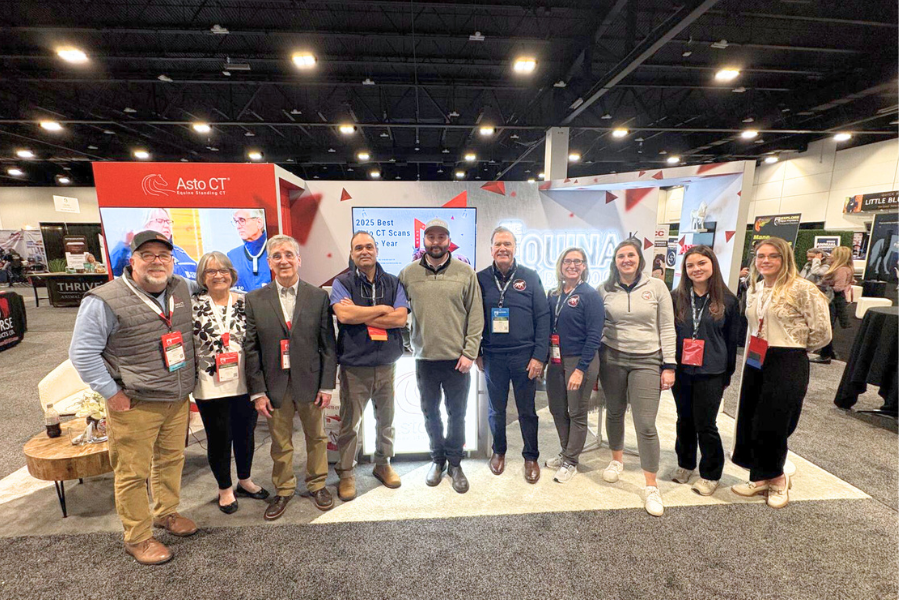
A team of medical imaging experts with unrivalled experience and a strong track-record supporting you at every step of your journey.

Designed for the equine athlete, Asto CT delivers precise, standing CT scans that support faster diagnosis and better-informed treatment decisions, empowering veterinarians with the clarity they need for greater clinical confidence.
A team of medical imaging experts with unrivalled experience and a strong track-record supporting you at every step of your journey.
Options to purchase the CT scanner outright vs. subscription to meet your clinic’s unique needs.
People you can count on to deliver best-in-class service to your CT scanner with fast response times.
A community of CT users to share learnings and help you advance your practice.
An unwavering commitment to your project success.
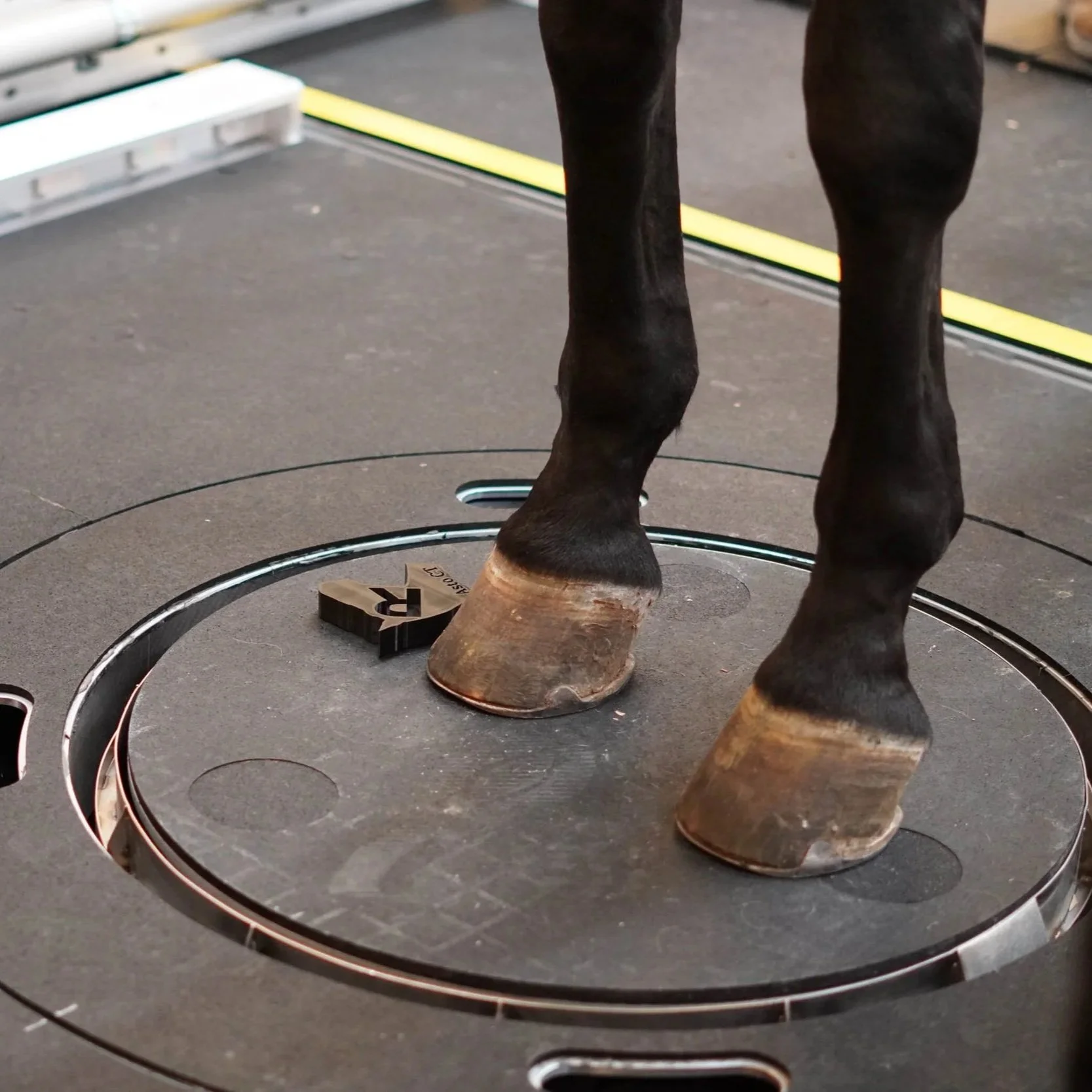
The Equina by Asto CT was engineered around the horse, enabling true weight-bearing CT imaging while horses remain standing and sedated. By preserving natural biomechanics during the scan, veterinarians can evaluate pathology with confidence while minimizing the risks associated with general anesthesia.
Why purpose-built equine imaging matters for the horse, the clinical team, and the practice. Read the article to learn what to consider before investing in a standing CT scanner.
It makes sense that any equine practice with an advanced lameness program would have Equine Standing CT installed. For us at Virginia Equine Imaging, it’s a critical tool for diagnosing lameness and developing treatment plans…
What began as a response to an unacceptable injury history has evolved into one of the most comprehensive pre-race veterinary screening programs in global racing, combining advanced imaging, longitudinal clinical assessment, and independent expert review.
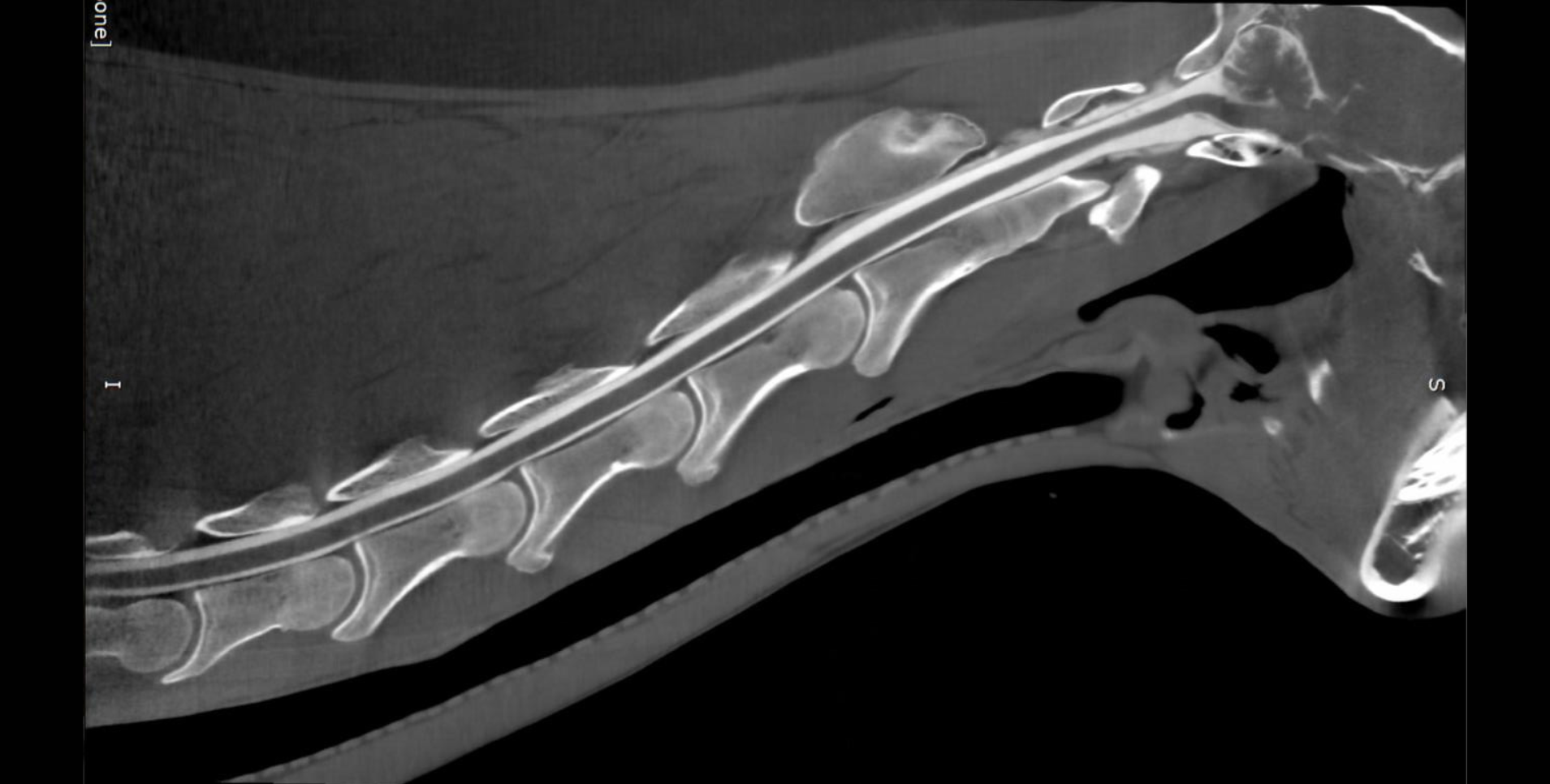
Standing CT continues to reshape how we evaluate challenging head and neck conditions in horses. This case‑based review highlights where CT meaningfully changes clinical decision‑making—from acute trauma to neurologic disease.
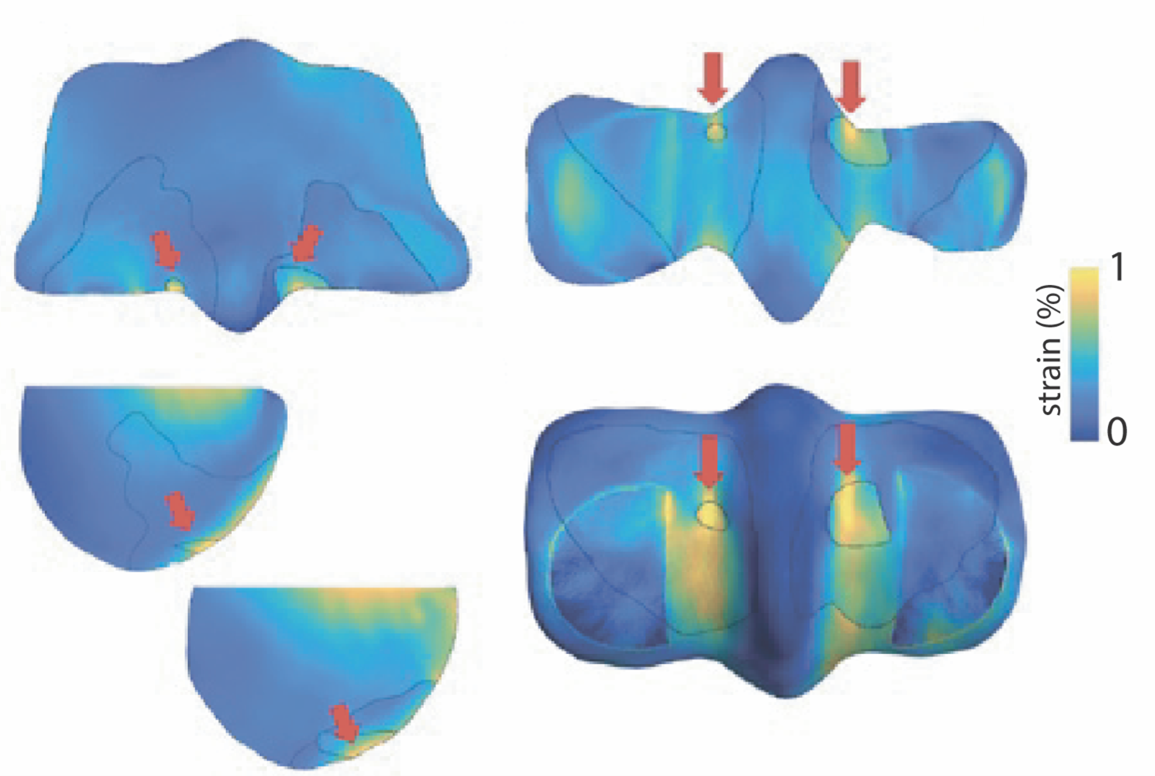
Can we predict fetlock stress fractures before they happen? New research in Equine Veterinary Journal shows how standing CT combined with virtual mechanical testing can assess fracture risk in elite Thoroughbreds by measuring strain in high-risk regions of the distal MC3.
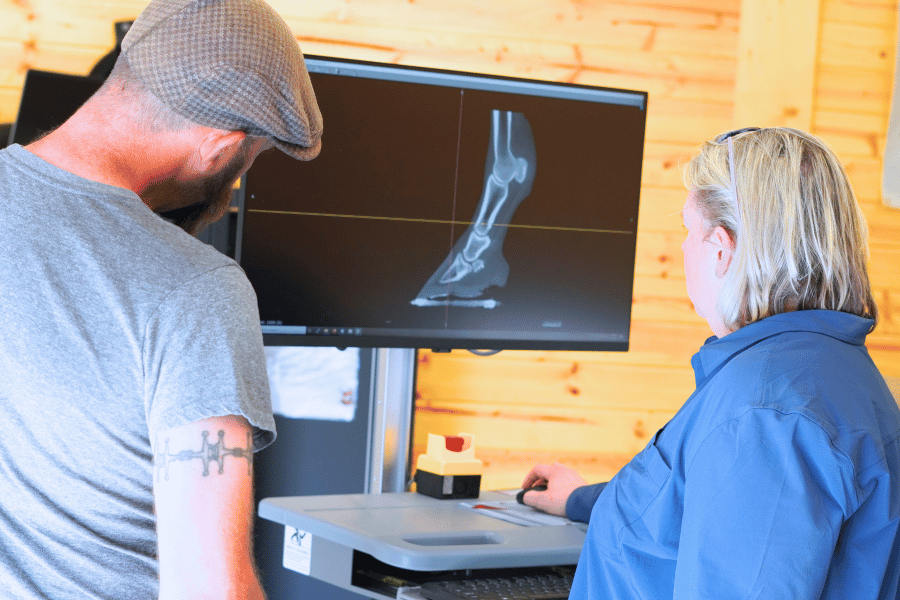
The resulting Equina® system permits simultaneous imaging of both distal limbs in a weight-bearing stance. This enables assessment of anatomical structures under natural load, improving detection of subtle pathology.
We are proud to announce the winners of the 2025 Asto CT Best CT Cases of the Year, recognizing exceptional clinical cases that highlight the diagnostic power, versatility, and clinical impact of standing CT imaging across equine and veterinary medicine.
“The Equine Standing CT at Mizzou is transforming how my colleagues and I diagnose and treat lameness,” says Dr. McCraken. “We’re identifying lesions in new locations and gaining a deeper understanding of how these findings correlate with clinical signs.”
Bones, joints, and soft tissues align differently when a horse is non-weight-bearing. Weight-bearing CT captures the structures as they function during movement and while bearing load, leading to more accurate diagnoses.
Pioneer Equine Hospital, a premier, full-service equine veterinary practice proudly announces the integration of the cutting-edge Asto CT Equina® Standing CT Scanner into its diagnostic services. This state-of-the-art imaging technology marks a significant advancement in the hospital’s commitment to providing exceptional equine care.
IMV imaging, a leader in veterinary diagnostic imaging solutions, and Asto CT®, pioneer of the world’s only true weight-bearing fan-beam CT scanner for equine patients, are proud to announce a strategic partnership aimed at combining their expertise and technology to elevate veterinary imaging capabilities worldwide.
This milestone marks more than a decade of innovation, research, and collaboration between veterinarians, engineers, and industry leaders uniting around a single mission: to make advanced, cross-sectional imaging safer and more accessible for horses.
A Partner in Innovation, Not Just a Product: Installing advanced imaging technology is no small feat, it requires the right technology and the right team. Asto CT approaches every installation as a long-term partnership, supporting clinics not only through equipment delivery but throughout the entire process: planning, design, installation, training, clinical ramp-up, and beyond.
Although both types of CT scanners create 3D images, they work in very different ways. These differences can impact image quality, how accurate the diagnosis is, and how easy the scanner is to use in a clinical setting. Understanding these key differences can help you choose the best option for equine veterinary care.
Advancements in imaging technology have made CT more accessible for equine veterinarians, especially for scanning limbs, head, and neck. Choosing between fan-beam and cone-beam CT is crucial, as each impacts image quality, diagnostic accuracy, and clinical usability differently. Understanding these differences helps determine the best option for equine care.
The impact and potential of the Equina® are unmistakable: greater safety, accuracy, and efficiency translate into lower risk and lower costs for veterinary practices, benefits that can then be passed on to clients. When a solution like Equina® exists—one that offers a greater return on investment, happier horses, and even happier owners—‘good enough’ is no longer good enough.
Looking back, it’s hard to imagine working without the Asto Equina CT. It has transformed the way we diagnose and treat our equine patients, improving efficiency, reducing risks, and enhancing the role of technicians in the process.
The Melbourne Cup’s four-year streak of zero fatalities marks a turning point in horse racing safety. Mandatory weight-bearing CT scans have not only saved lives but also demonstrated that prioritizing welfare does not come at the expense of performance.
Equine Innovative Medicine is setting a new standard in equine healthcare by introducing the state-of-the-art Asto CT Equina® Standing CT Scanner to its suite of diagnostic tools.
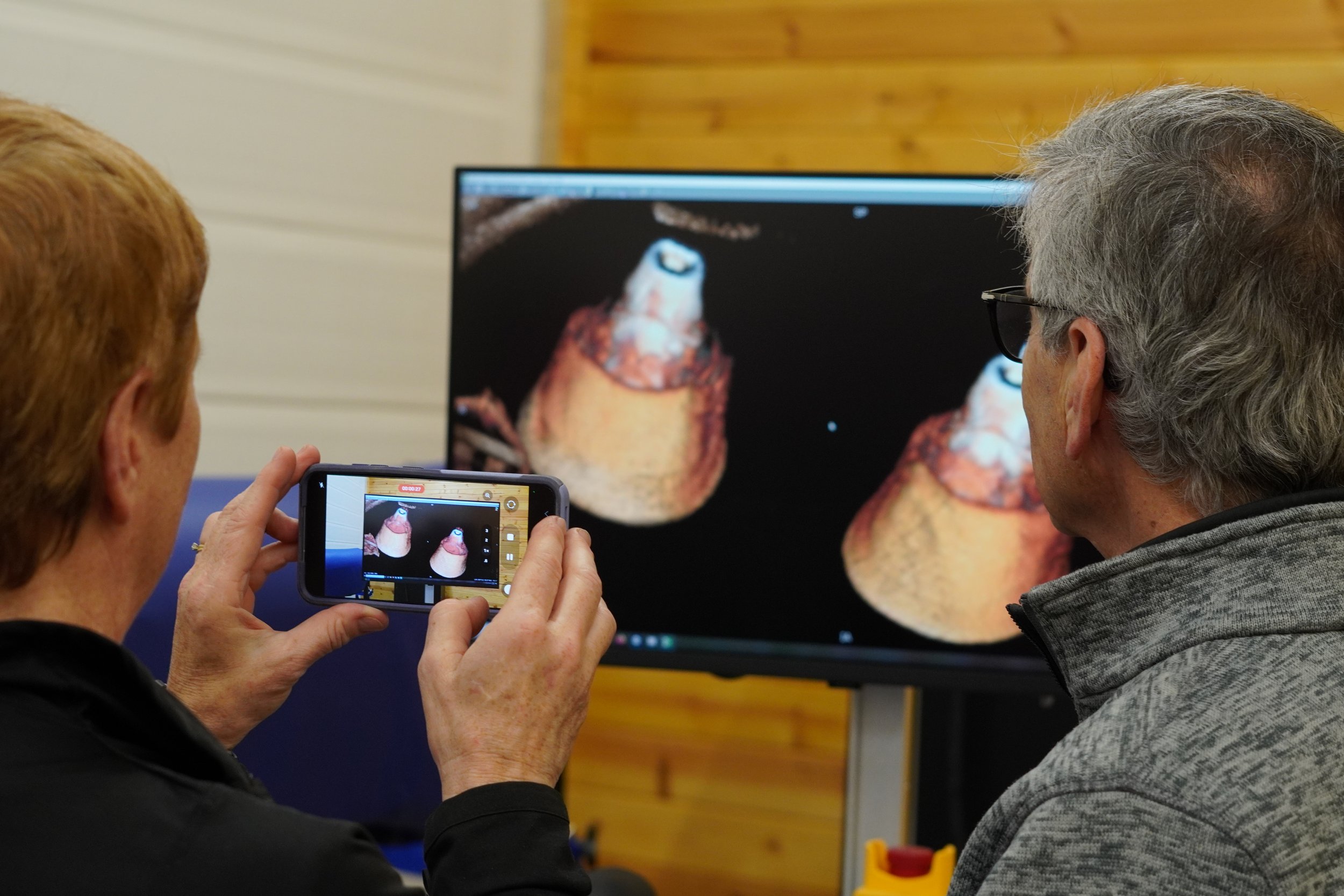
Computed tomography (CT) imaging stands at the forefront of equine dentistry, offering unparalleled diagnostic precision and treatment efficacy.
A heartfelt thank you to all participants for submitting such outstanding and diagnostically valuable cases. This year's entries highlight exceptional advancements in 3D imaging, head scans, limb scans, and soft tissue filter scans.
The authors of this research concluded that when using a standing CT system such as the Asto CT Equina system it is possible to scan a large number of horses without personnel exceeding the recommended safe threshold for occupational exposure.
Virginia Equine Imaging, an elite equine sports medicine clinic known for its high caliber diagnostics and treatments, proudly announces the acquisition of the state-of-the-art Asto CT Equina® Standing CT Scanner.
Welcome to our recent case review, where we explore some intriguing and complex cases captured with the Equina by Asto CT. This edition features sinus masses to chronic lameness and bone cysts, these cases illustrate the diagnostic journey and treatment strategies for a range of complex pathologies.
Wisconsin Equine Clinic & Hospital (WECH), a leading equine medical center renowned for its commitment to comprehensive equine care, announces an exciting partnership with Asto CT to introduce cutting-edge Computed Tomography (CT) to its practice.
In a landmark advancement for equine healthcare, Sharjah Equine Hospital proudly announces the installation of the cutting-edge Asto Equina® CT scanner. This innovative technology, the first of its kind in the region, will significantly transform the diagnostic capabilities and treatment approaches for horses.
The successful integration of equine standing CT into veterinary practice requires careful planning and preparation. Here are key steps to consider when implementing this technology:
The Equina® CT scanner has been carefully selected by the expert team at Cotts Equine Hospital for its exceptional image quality, user-friendly operation, and rapid image acquisition. This new addition will enable Cotts to provide affordable and advanced imaging services to their valued clientele, as well as referring practices in the Southwest.
In the heart of the Midwest stands the University of Missouri Veterinary Health Center (Columbia, MO), known for its state-of-the-art facilities and high levels of care. They have increased their capabilities further with the installation of an equine standing CT (Computed Tomography) scanner.
Subscribe to our Newsletter – Get the latest updates and exclusive offers delivered straight to your inbox.



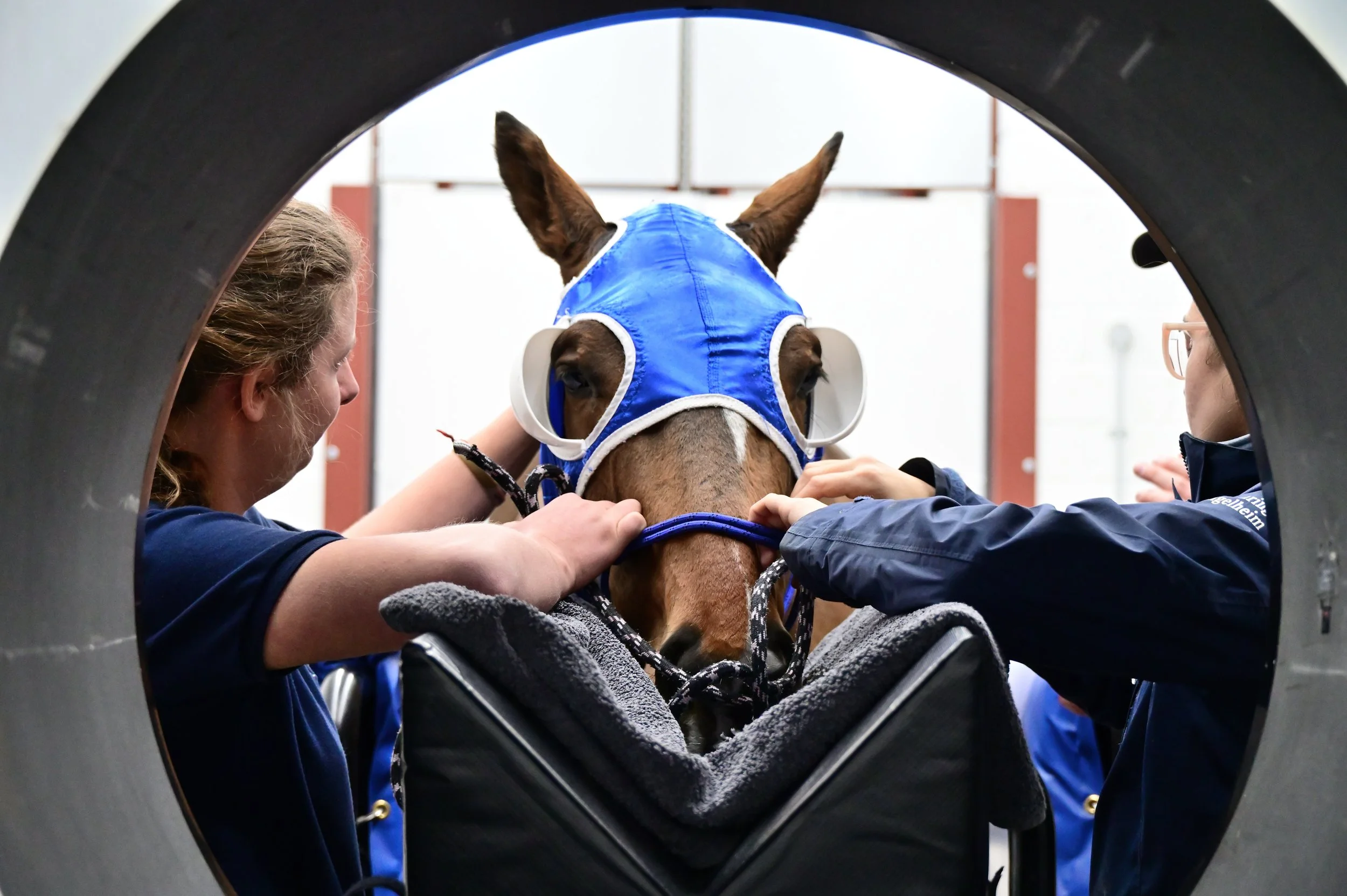
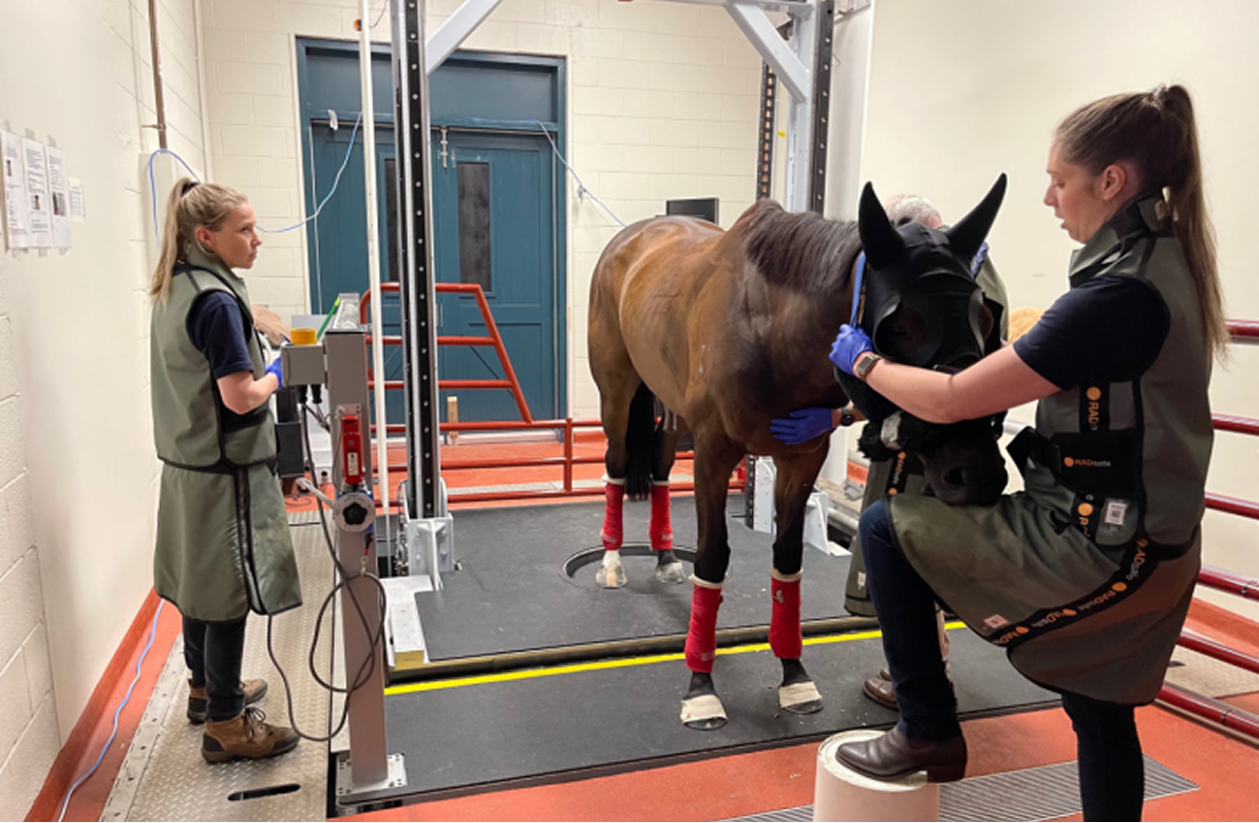


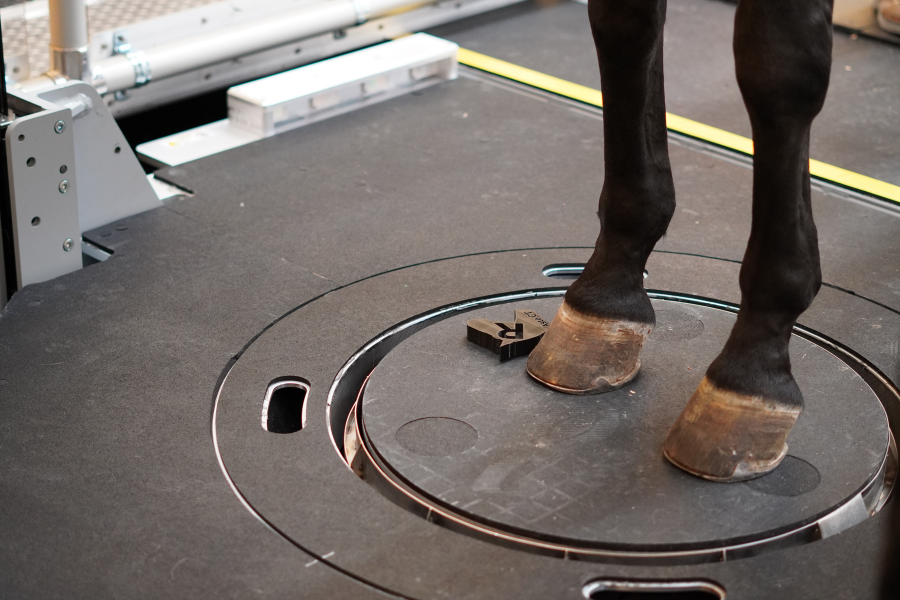



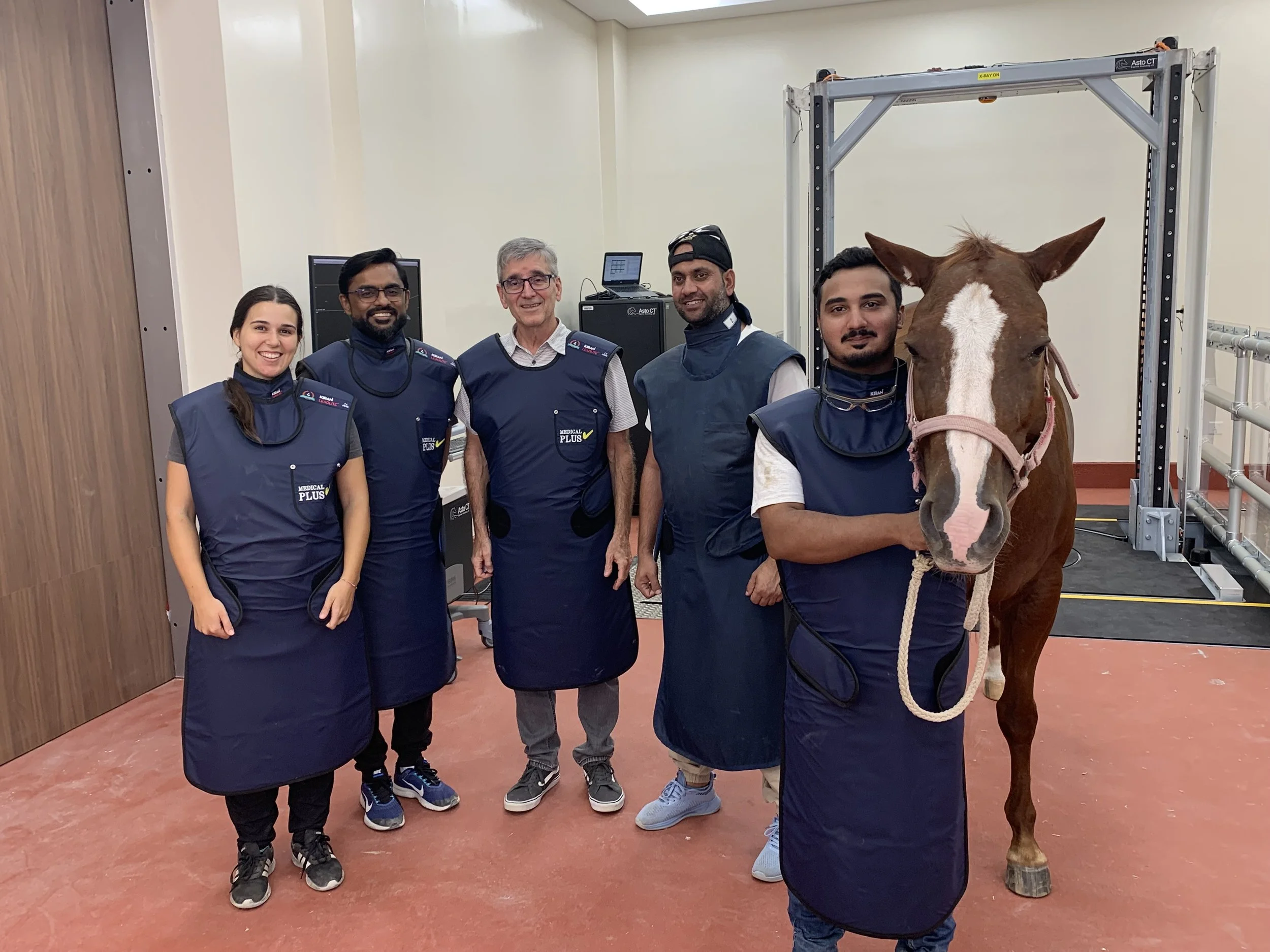


With the Equina, horses stay in a natural, comfortable standing position under mild sedation, offering a safer, stress-free alternative that meets the veterinary field's demand for advanced imaging technology.