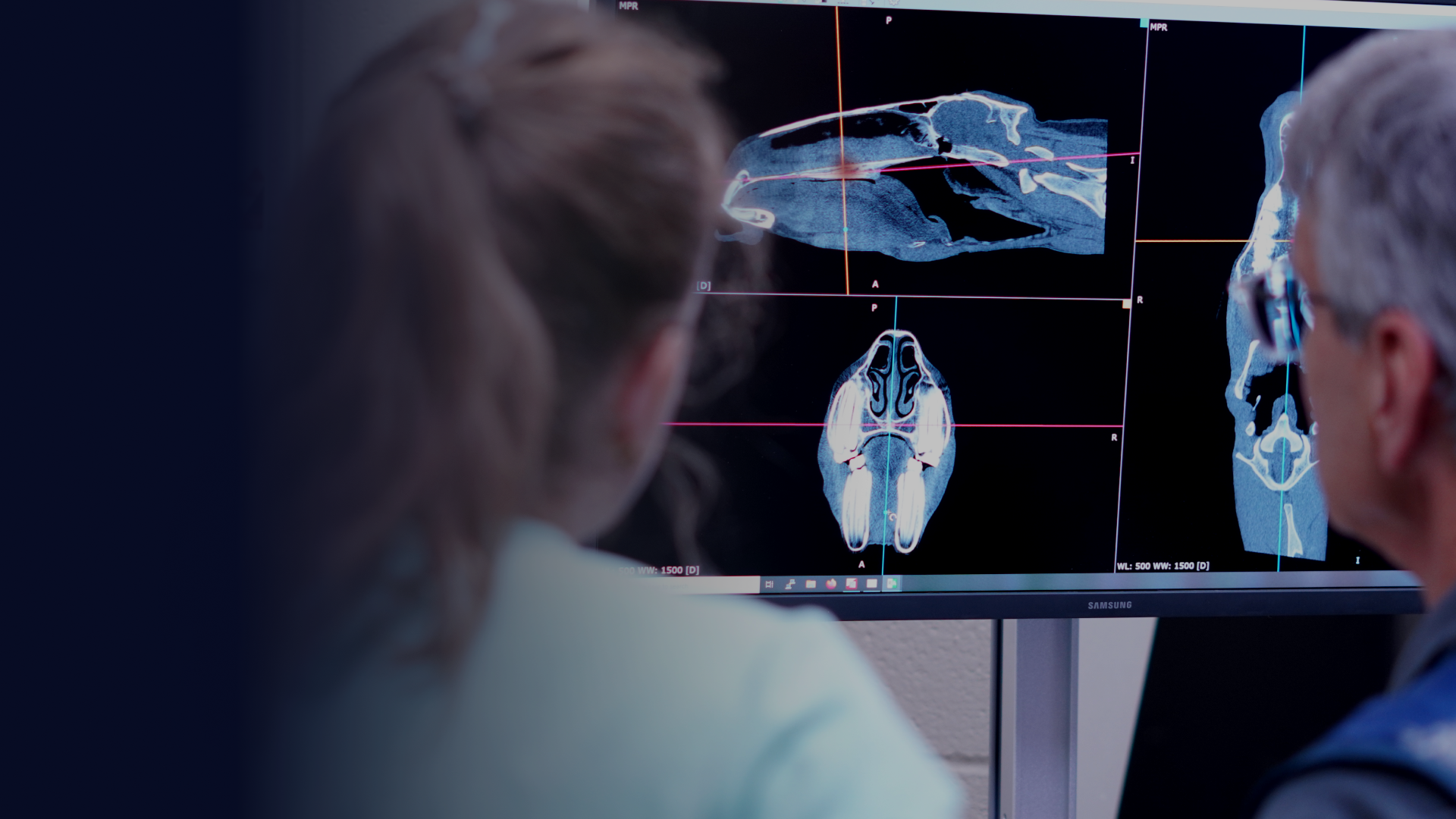
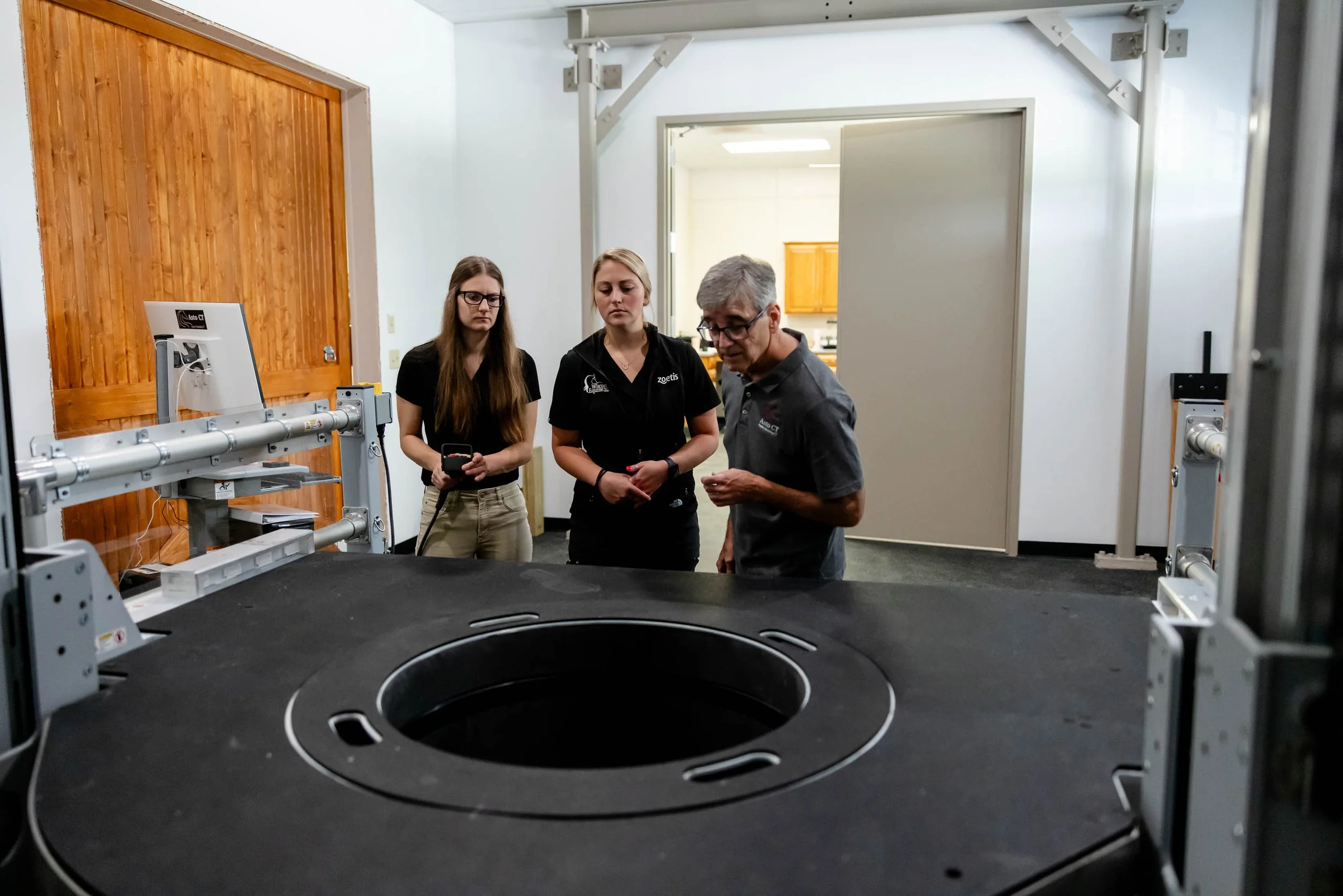
Our findings suggest that scanning large numbers of horses per year with the Asto CT Equina would not lead to occupational radiation exposure above the recommended safe threshold for handlers using lead shields and eyeglasses.
Read More
Our findings suggest that scanning large numbers of horses per year with the Asto CT Equina would not lead to occupational radiation exposure above the recommended safe threshold for handlers using lead shields and eyeglasses.
Read MoreSedated standing CT of the head and distal limbs is feasible in ruminants and may be an option in patients that are amenable to a standing imaging procedure.
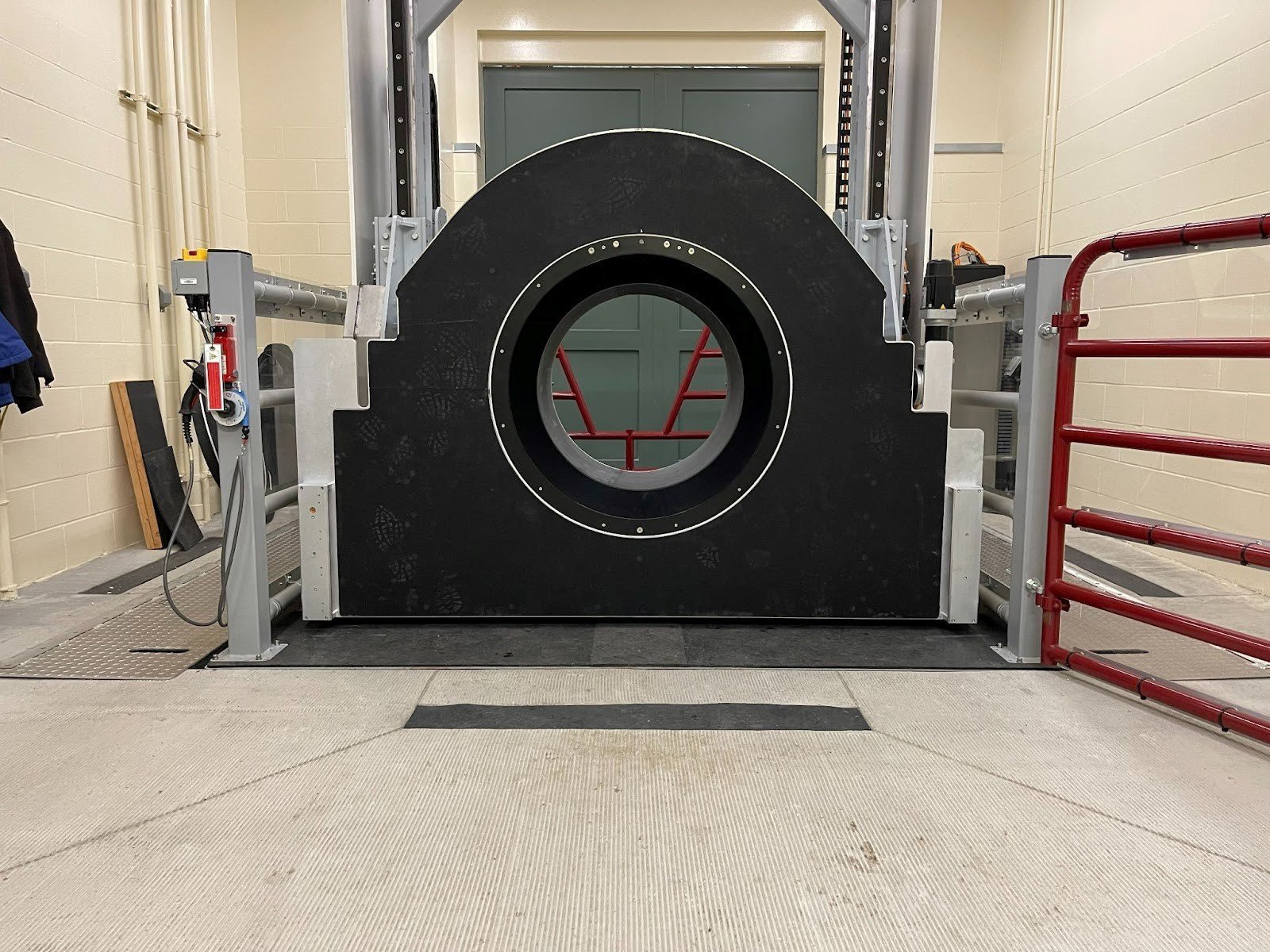
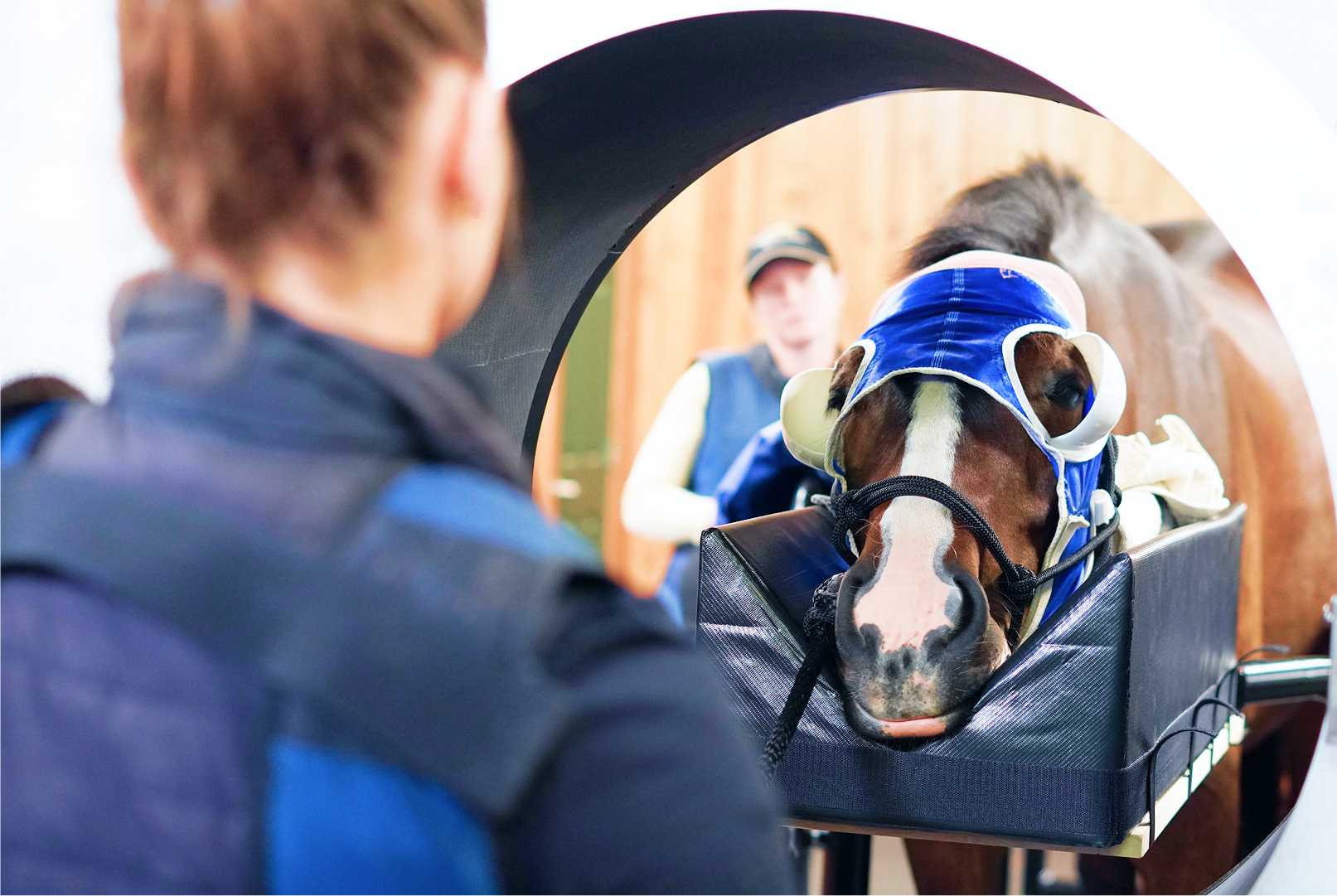
Read MoreA new tool, Equina® (Asto CT, Middleton, WI), has been developed and specifically designed for a veterinarian to safely image a sedated standing horse in a natural load-bearing position solving some of the key barriers to equine CT imaging. In this paper, we provide a brief description of the key features of the Equina® system and describe how it can move us into a new equine standard-of-care.
Read MoreIn the equine space, fan-beam systems offer several key advantages. Fan-beam systems offer faster scan times which make its images less susceptible to motion artifacts due to swaying or other subtle movements of the equine patient. Fan-beam images also have higher image quality, enabling them to be used to identify subtle pathological changes in the limbs of horses, and important advantage over both traditional radiography and cone-beam CT scanning.
Read MoreThe use of this advanced veterinary technology for early detection and management of musculoskeletal injuries can move us towards a new standard of care for Thoroughbred racehorses. In this paper, we provide a brief description of the key features of the Equina® system, and its use in pre-race screening.
Read MoreCT has revolutionized equine clinical practice over recent decades, with CT imaging of the equine head currently considered preferable to conventional radiography.
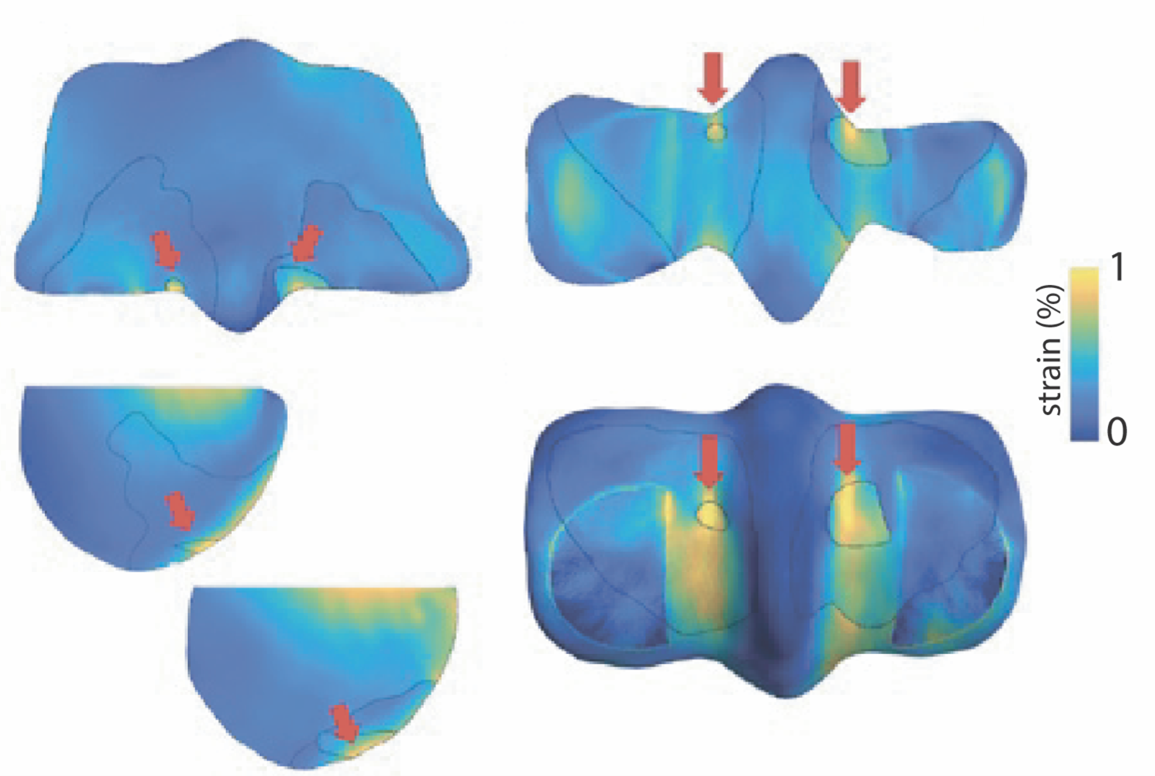
Read MoreCondylar stress fracture of the third metacarpal bone (MC3) is a common catastrophic injury in Thoroughbred racehorses and is associated with parasagittal groove (PSG) subchondral osteolysis.
Read More